9 hr
Great War Flanders Fields Day Trip from Bruges with Lunch
Journey through WWI history on a full-day minibus tour to Ypres, battlefields, and memorials
Reserve
Hand-picked by our editors — only the best 5 battlefield experiences from 18 reviewed
Verified partners for every tour, free cancellation where available, and instant confirmation on every booking.
9 hr
Journey through WWI history on a full-day minibus tour to Ypres, battlefields, and memorials
Reserve
3 hr 30 min
Half-day guided exploration of WWI's most significant Commonwealth and German war sites
Reserve
13 hr
Full-day journey through WWI battlefields, cemeteries, and memorials with Last Post ceremony
ReservePrices from verified partners. Availability updates in real time at checkout. Free cancellation policies apply where shown.
The landmarks, rooms, and views travelers on this tour remember — all visible on a single visit.
A massive memorial recording the names of over 54,000 soldiers with no known graves. The daily Last Post ceremony has occurred here since 1928.
Located in the historic Cloth Hall, this museum details the impact of the Great War on the region through thousands of artifacts.
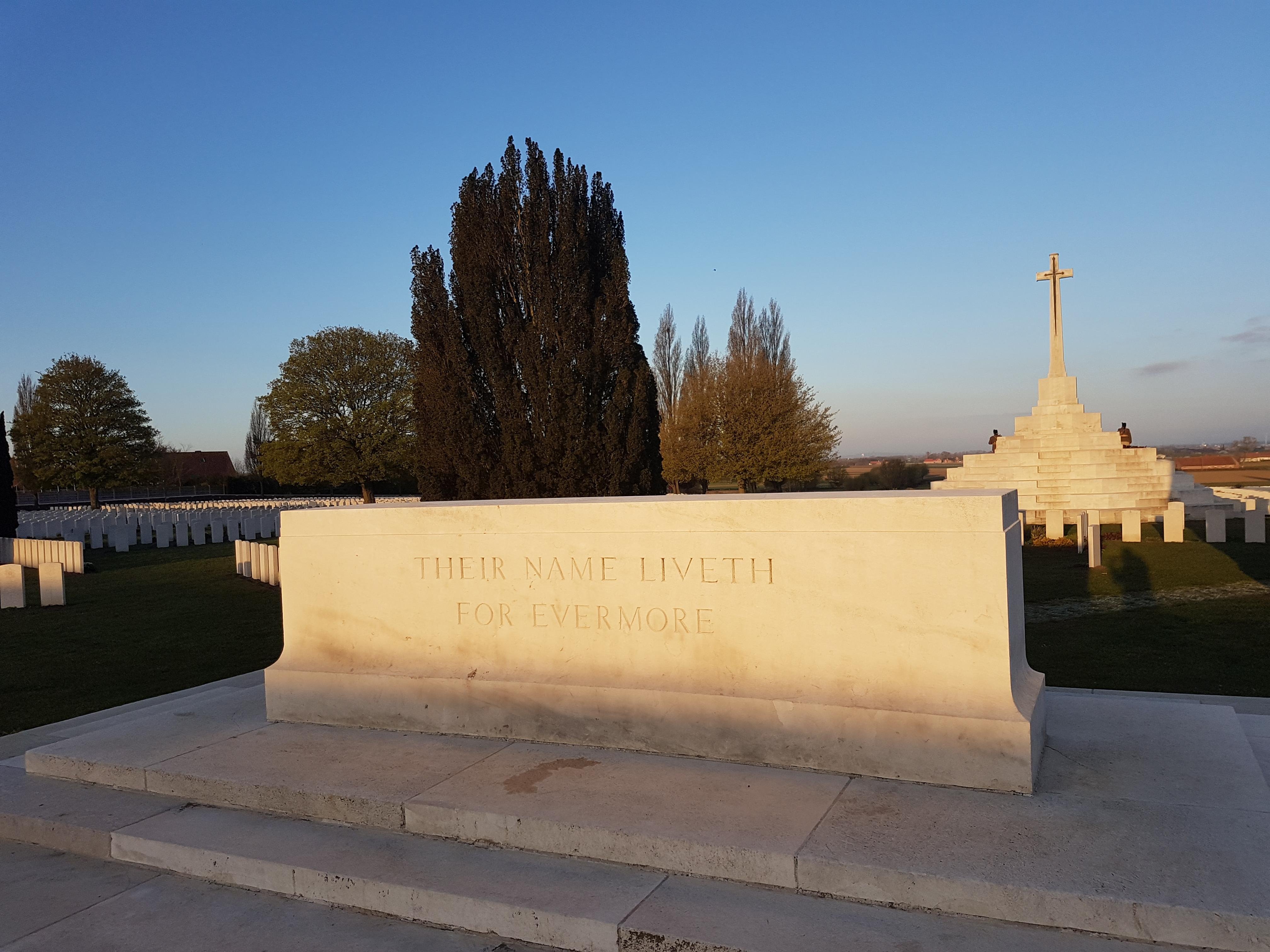
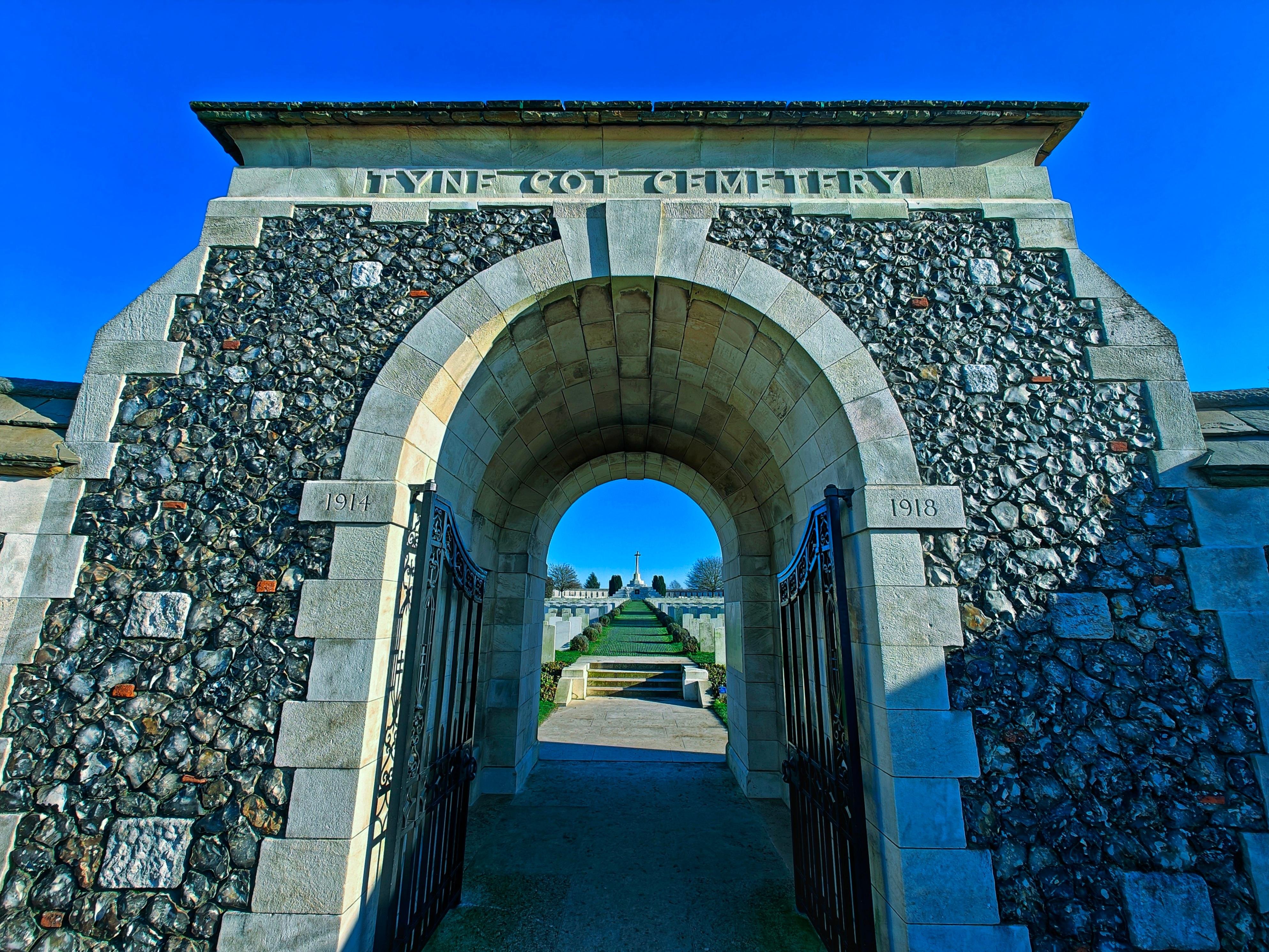
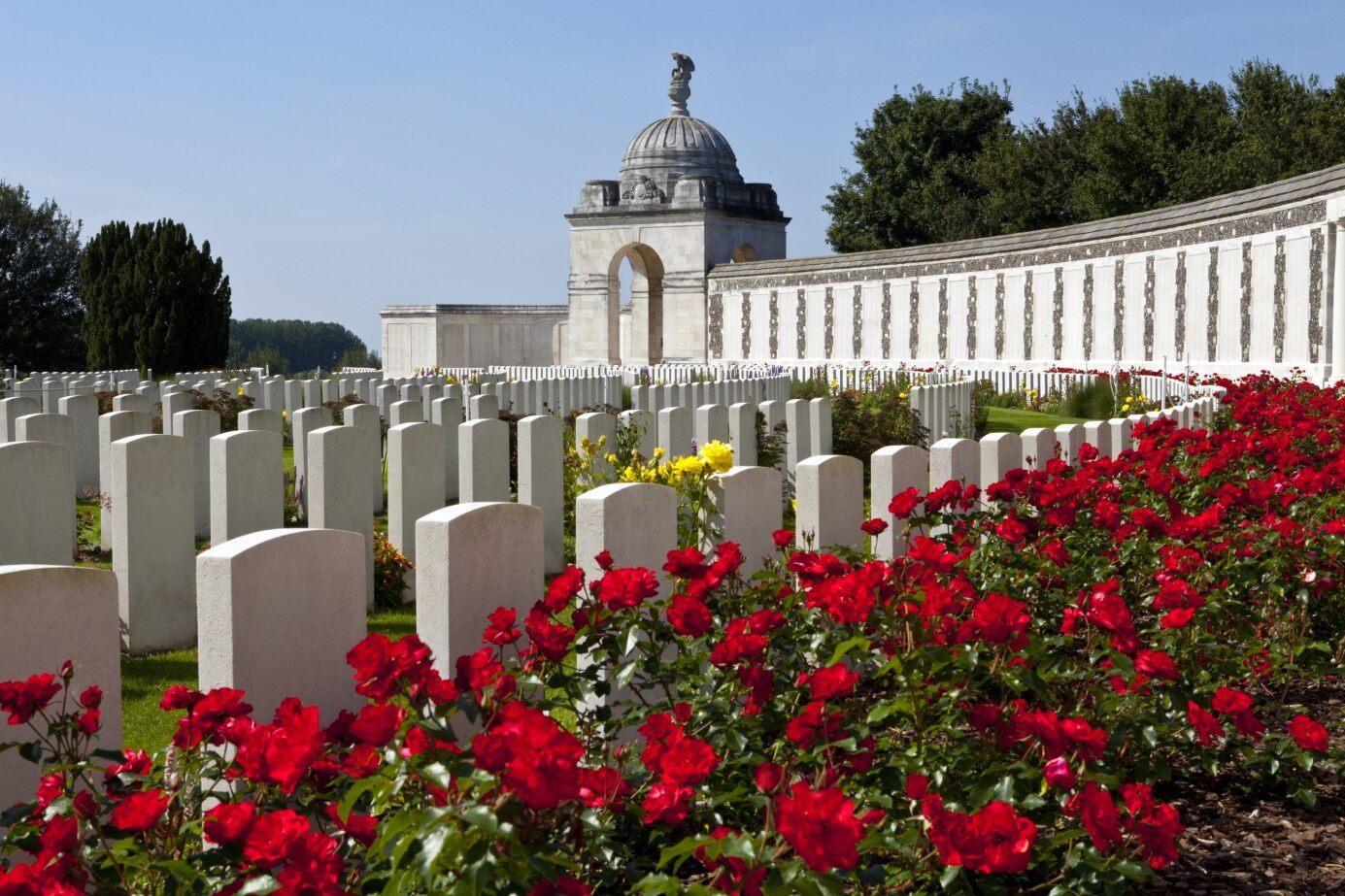
The largest Commonwealth war cemetery in the world containing nearly 12,000 graves. It offers a somber view of the surrounding Ypres Salient.
The site where the poem In Flanders Fields was composed by John McCrae. It remains a poignant landmark for historical tours.
A more subdued and somber site containing over 44,000 burials. It provides a balanced historical perspective on the conflict.
Professional ypres battlefield tour guides provide structured narrative and logistical support, whereas independent exploration allows for personal pacing; most visitors who do both call the guided ypres battlefield tour guides tours the more context-rich experience.
| Feature | Top pick Guided Tours | Self-Guided |
|---|---|---|
Navigational ease |
Full service transit | Requires map navigation |
Historical depth |
Expert storytelling | Manual research needed |
Logistical stress |
Minimal planning | High coordination burden |
Access to private sites |
Exclusive area entry | Public access only |
Cost efficiency |
Fixed per-person fee | 0 EUR (Free entry) |
| See tickets → |
Verdict: Choose professional Ypres battlefield tour guides for deep analysis and zero transit effort, or opt for a self-guided ypres battlefield tour guides tour to prioritize complete autonomy over your schedule and ypres battlefield tour guides tickets.
Choose your ticket, select your date, and reserve in under two minutes. Secure checkout handled by our verified partner.
Instant confirmation by email, with a mobile voucher you can save offline. No printing, no queuing at a collection desk.
Arrive at the entrance, show your voucher on your phone, and walk in. Most tickets include priority or skip-the-line access.
Practical details for your visit straight from our verified partners — hours, access, rules, and how to get there.
Grote Markt, 8900 Ypres
Primary assembly for Ypres battlefield tour guides
Train to Ypres station then walk to Grote Markt
Park in outer ring parking zones for city center access
Wear comfortable walking shoes suitable for uneven ground and fields. Dress in layers as weather in the Flanders region changes rapidly.
Keep personal belongings secure during your tour. Most battlefield sites do not provide lockers or bag storage.
Photography is generally permitted at outdoor memorials and cemeteries. Please maintain a respectful distance from active ceremonies.
Many Ypres war sites feature gravel paths and grassy areas. Mobility access varies significantly between individual memorial locations.
Keep devices on silent mode while visiting cemeteries. Good signal coverage exists, though remote rural areas may experience drops.
The Ypres landmarks are educational for older children. Ensure younger visitors remain supervised near trenches and uneven memorial structures.
Carry adequate water and snacks for day trips. Consumption of food is discouraged inside or near silent memorial grounds.
Dogs must remain on a leash at all times. Pets are prohibited from entering most indoor museum sections or silent cemetery zones.
Services provided by independent tour operators vary in price. Entrance fee is 0 EUR for visiting public battlefield sites independently.
Grote Markt, 8900 Ypres
Primary assembly for Ypres battlefield tour guides
Get directionsBest time to go, insider tips, nearby landmarks, and the cancellation fine print — flip through to skim what matters to you.
How crowds, weather, and events shift across the year.
Mild temperatures for walking battlefield trails.
Long daylight hours ideal for exploring outdoor landmarks.
Cooler weather, frequent rainy days in Flanders.
Short hours, quiet atmosphere for serious reflection.
Small details that turn a good visit into a great one.
Cemeteries are places of remembrance, keep noise low.
Secure your spot with ypres battlefield tour guides during peak summer.
Stay on marked paths to protect delicate site landscapes.
Rain is frequent, pack waterproof gear for Ypres battlefield tour guides.
Arrive early to secure a view at the Menin Gate.
Non-bookable sights within a short walk — free to visit, easy to pair.
Memorial to the missing with daily bugle calls.
Interactive exhibits on the First World War.
Historical Anglican church in the city center.
Iconic medieval building housing the local museum.
Flexible, no hidden fees.
Individual ypres battlefield tour guides operators set their own policies. Check specific tour terms for refund eligibility.
Hand-picked options within walking distance — pick a district for vibe, or a specific hotel for convenience.
Central location in the heart of the town.
Quiet stay near the historical fortifications.
Practical stay for group travelers.
Between 1914 and 1918, the medieval cloth town of Ypres anchored the Western Front's northernmost salient, a bulging arc of trenches that claimed over half a million lives across four years of attrition. The Ypres Salient stretched from Langemarck in the north to Messines Ridge in the south, a twelve-mile arc studded with fortified farms, concrete pillboxes, and waterlogged communication trenches that remain visible beneath the ploughed fields of West Flanders today. What distinguishes this landscape from other Great War sites is its density of narrative: Passchendaele, Hill 60, Hooge Crater, Polygon Wood, and Tyne Cot Cemetery lie within a twenty-minute drive of one another, each marking a discrete chapter of the four-year siege. Ypres battlefield tour guides operate from the reconstructed Grote Markt, leading small-group and private excursions that interpret the military geography, personal testimony, and material archaeology of the salient. Most guides hold degrees in military history or museology, and many descend from families who sheltered soldiers or witnessed the Third Battle of Ypres in 1917. Their commentary synthesises trench maps, war diaries, and oral histories collected from veterans' associations in the interwar decades. A typical full-day itinerary departs at eight-thirty, visits six to eight sites including Tyne Cot—the largest Commonwealth cemetery in the world, with 11,961 headstones—and returns by six. Half-day tours focus on the immediate salient, incorporating the Menin Gate Memorial and its nightly Last Post ceremony, which has sounded at eight every evening since 1928, interrupted only by German occupation. The physical landscape tells a layered story. Craters from mine explosions still pit the ridge lines; preserved trench systems at Sanctuary Wood reveal the claustrophobic scale of frontline existence; and the red-brick reconstruction of Ypres itself, completed in the 1960s, testifies to the town's near-total destruction by 1918. Guided interpretation brings coherence to a theatre of war that saw poison gas deployed at scale for the first time, where tanks made their combat debut, and where the Commonwealth's volunteer divisions suffered losses that redefined national memory in Britain, Canada, Australia, and New Zealand. The guides contextualise individual cemeteries within the wider campaign, explaining why certain regiments cluster in particular plots, how the Imperial War Graves Commission chose its architectural language, and what the inscriptions—many quoting Binyon or scripture—reveal about interwar mourning culture. Flanders Fields tours have evolved from simple cemetery circuits into narrative-driven experiences that incorporate recently digitised archives, GPS-overlaid trench maps, and artefacts recovered by local farmers. The region's designation as a UNESCO heritage landscape in 2021 formalised protections for remaining battlefield topography, ensuring that Hill 62, the Bluff, and other tactical features remain legible to twenty-first-century visitors seeking to understand how terrain shaped tactics and how tactics shaped loss.

"The Ypres Salient stretched twelve miles, a bulging arc of trenches that claimed over half a million lives across four years of attrition."
A step-by-step walkthrough of the visit — what you'll see, how long each stage takes, and the details that matter.
You meet your guide at Grote Markt beneath the reconstructed Cloth Hall at eight-thirty, joining a group of eight to twelve participants boarding a climate-controlled coach. Within fifteen minutes you reach Tyne Cot Cemetery, where 11,961 white Portland stone headstones rise in curved rows across a former German strongpoint. Your guide reads from a soldier's letter, then points out the Cross of Sacrifice standing on the site of a captured pillbox, its concrete walls still visible within the monument's base. You walk among the headstones, noting the regimental badges carved above each name, and pause at the wall bearing 34,957 names of men whose bodies were never recovered. The morning continues to Passchendaele, where you stand in a preserved trench section and handle replica equipment—a gas mask, a periscope, a entrenching tool—while your guide explains the logistics of rotating battalions through the line. At Langemarck German Cemetery, you observe the contrast: dark basalt markers, mass graves holding twenty soldiers each, and an entry sculpture by Käthe Kollwitz mourning all combatants equally. After lunch in a farmhouse café, you visit Sanctuary Wood's original trench system, its sandbag walls replaced by timber revetments, and photograph the waterlogged craters that defined no man's land. The day concludes at Menin Gate at seven forty-five, where you join the evening crowd for the Last Post ceremony, two buglers sounding the call beneath an arcade inscribed with 54,000 missing names, the notes echoing across the ramparts as traffic halts and visitors stand silent.
Yes, you can schedule ypres battlefield tour guides throughout the week as sites are open 00:00–23:59.
The entrance fee to visit the battlefield is 0 EUR, though specific tour operator pricing varies.
The best time for ypres battlefield tour guides is between 08:00–18:00 to maximize daylight.
Booking your ypres battlefield tour guides in advance is recommended to ensure availability.
Families are welcome on ypres battlefield tour guides, provided children remain respectful of the solemn environment.
Yes, photography is permitted on most ypres battlefield tour guides, provided you follow site etiquette.
The Ypres battlefield tour guides meeting point is at Grote Markt, 8900 Ypres, easily reachable by foot.
Since independent ypres battlefield tour guides do not provide meals, you may bring your own snacks.
Accessibility for ypres battlefield tour guides varies by site; check with your guide regarding specific terrain requirements.