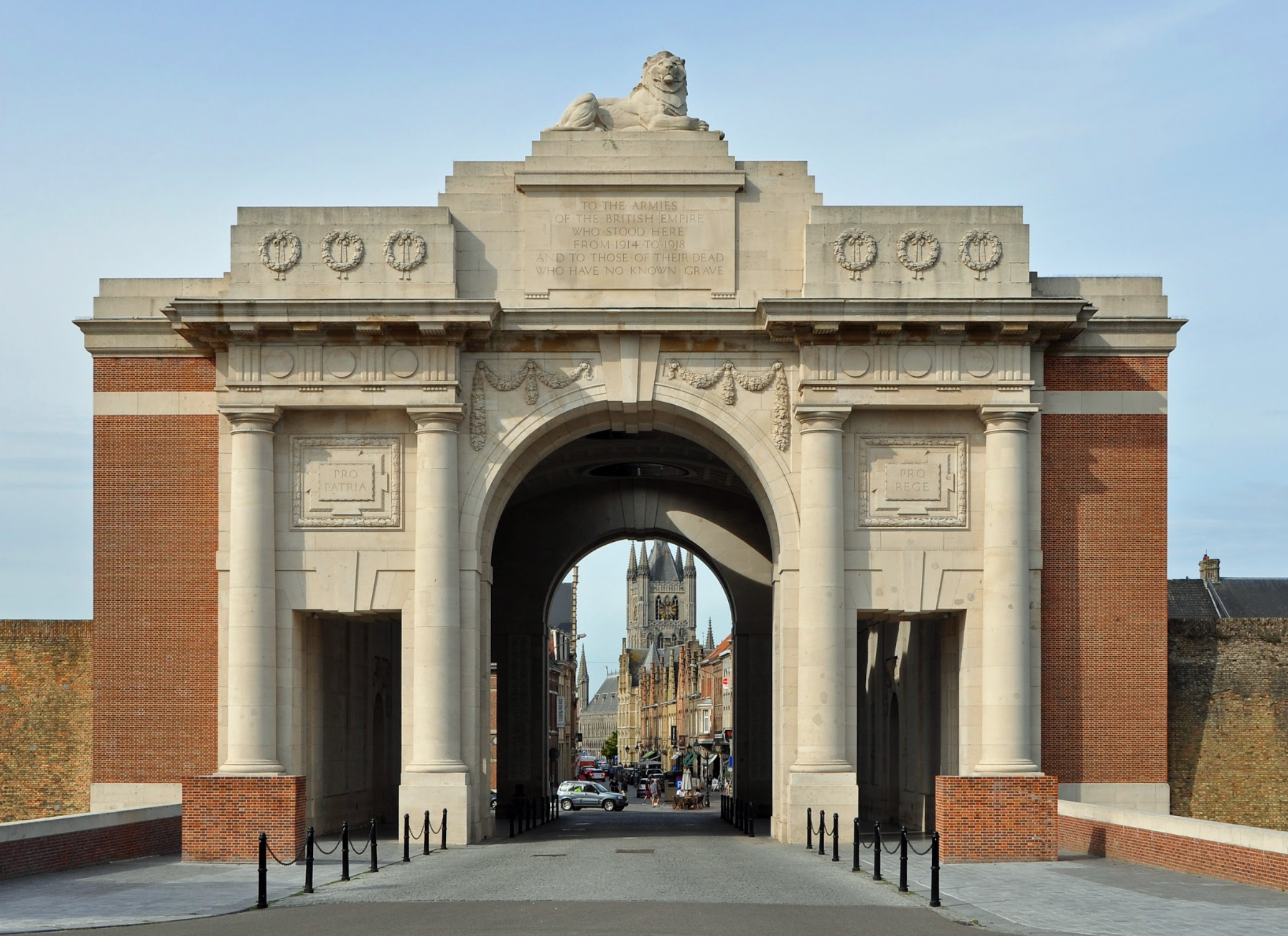
Menin Gate
A memorial to the missing inscribed with the names of over 54,000 soldiers.
Visit at 20:00 to observe the Last Post ceremony.

The Ypres Salient's battlefields, cemeteries, and preserved trenches remain accessible to visitors who prefer to explore without a guide. This page maps the practical route options, free site access, and the daylight window that makes independent navigation straightforward across the former Western Front.
Quick answer
Ypres self guided battlefield tours are entirely free to access across the Salient, with all memorials, cemeteries, and preserved trenches open 24 hours daily. The optimal visiting window runs from 09:00 to 17:00, ensuring sufficient daylight to read commemorative plaques, photograph trench systems, and navigate between sites scattered across rural Flanders without missing key terrain features that shaped the battles of 1914–1918.
More than forty Commonwealth War Graves Commission cemeteries lie within a ten-kilometre radius of Ypres market square, each positioned where casualty clearing stations, field hospitals, or front-line units once operated. The density of memorials in the Salient reflects four years of static trench warfare compressed into a salient that never exceeded fifteen kilometres in depth, making independent exploration both feasible and historically coherent without requiring motorized transport for every segment. A typical self guided route begins at Menin Gate, where the Last Post sounds at 20:00 nightly, then extends east along the Menin Road to Hellfire Corner, Sanctuary Wood Museum's preserved trenches, and Tyne Cot Cemetery—the largest Commonwealth burial ground in the world. This axis follows the British front line as it existed in late 1917, with each memorial anchored to the ground where specific units fought. Hill 60, Hill 62, and Polygon Wood form a southern arc that reveals the tactical geography of the salient: slight elevations that commanded observation across otherwise flat terrain, contested for years because a five-metre rise meant the difference between shelling blind and targeting with precision. Independent touring rewards preparation. Printed or digital maps that layer 1917 trench lines over current roads clarify why certain cemeteries sit in seemingly random farmland—they mark communication trenches, aid posts, or the limit of advances measured in hundreds of metres. Approaching ypres self guided battlefield tours with a clear route prevents the common error of visiting sites in chronological disorder, which obscures the narrative of offensives that unfolded across the same ground in overlapping waves. The Salient's scale permits walking between clusters of sites, though a bicycle or vehicle accelerates coverage of the outer memorials near Passchendaele and Langemark. No tickets, reservations, or entrance fees apply to any battlefield site, and the Commonwealth War Graves Commission maintains every cemetery to a standard that requires no explanation upon arrival. Visitors navigate by road signs marked with the familiar green direction panels, each pointing toward named memorials rather than abstract coordinates, a wayfinding system installed specifically to serve independent travelers who arrive with a list of family names or unit histories rather than a tour operator's itinerary.
“The density of memorials in the Salient reflects four years of static trench warfare compressed into a salient that never exceeded fifteen kilometres in depth.”
The best arrival window for self-guided battlefield tours is 09:00–17:00, providing optimal daylight for examining monuments and terrain features across the Ypres Salient. Planning your visit within this period ensures visibility and access to external sites.
Mild with 10°C to 18°C
Ideal for walking tours when landscapes are green and accessible.
Cooler with 8°C to 15°C
Provides stable conditions for outdoor exploration before winter weather arrives.
—
Visiting Tuesday through Thursday avoids the increased visitor numbers seen during weekends and holiday periods.
Verdict: The optimal time to visit is mid-week between Tuesday and Thursday during the months of April or October, adhering to the 09:00–17:00 arrival window.
Admission fees for the Ypres Salient vary significantly depending on whether you are visiting public memorials or privately operated museums. While public battlefield sites are open to the public without charge, individual museums within the region maintain their own independent ticketing structures.
Verdict: A typical visitor pays 0 EUR for self-guided battlefield access, though costs will vary if you choose to enter specific indoor museums.
The public sites within the Ypres Salient are accessible to visitors throughout the week. You may explore these historical grounds at your own pace at any time of day.
A half-day route covers the core sites of the Ypres Salient in a logical loop, suitable for those with a car or bicycle. Plan four to five hours to visit memorials, cemeteries, and preserved trench systems at your own pace.
Begin in Ypres center at the Menin Gate Memorial, where 54,000 missing Commonwealth soldiers are commemorated. Spend 20–30 minutes reading the panels before heading east.
Drive 15 minutes to Tyne Cot, the largest Commonwealth cemetery in the world with nearly 12,000 graves. Allow 45 minutes to walk the rows and visit the visitor center.
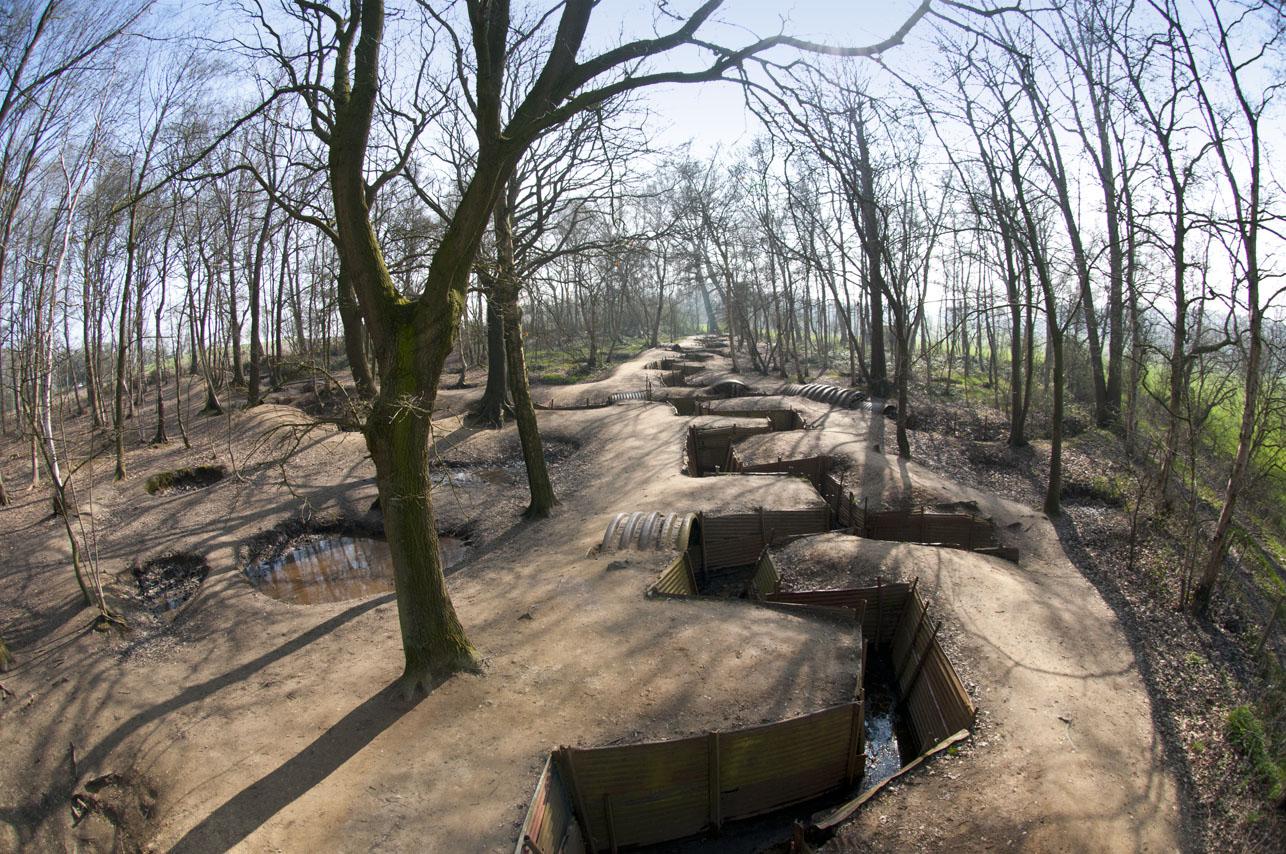
Located adjacent to Tyne Cot, explore the preserved German dugout system and small museum展示 trench warfare artifacts. Budget 45 minutes.
Head south to Hill 60, a strategic high point with preserved craters and bunkers. Walk the short trail around the mine craters in 30–40 minutes.
Return to Ypres center for lunch and a rest. Many cafés and restaurants are within walking distance of the Cloth Hall.
Drive north to Langemark, where 44,000 German soldiers are buried in a somber oak-shaded setting. Spend 30 minutes walking the mass grave area and reading the stone tablets.
Visit the preserved dressing station where John McCrae wrote "In Flanders Fields." Explore the bunkers and canal-side memorials in 30 minutes.
End at Ypres' Cloth Hall, home to the In Flanders Fields Museum if time allows, or simply walk the Grote Markt before the Last Post ceremony at 20:00.
The Ypres Salient is located in and around Ieper, Belgium, and is best accessed by private vehicle or bicycle to navigate the dispersed battlefield sites. Visitors typically arrive in Ieper via the central railway station before proceeding to local memorials and cemeteries.
NMBS/SNCB line to Ieper station
E17 or A19 motorway towards Ieper
Local routes from Ieper center
Parking is available throughout the town of Ieper, though renting a bicycle provides the most flexible access to rural sites in the surrounding Salient.
The Ypres Salient contains numerous preserved sites that provide context for the landscape of the First World War. These landmarks are distributed throughout the region and offer perspectives on the scale of the conflict.
A memorial to the missing inscribed with the names of over 54,000 soldiers.
Visit at 20:00 to observe the Last Post ceremony.
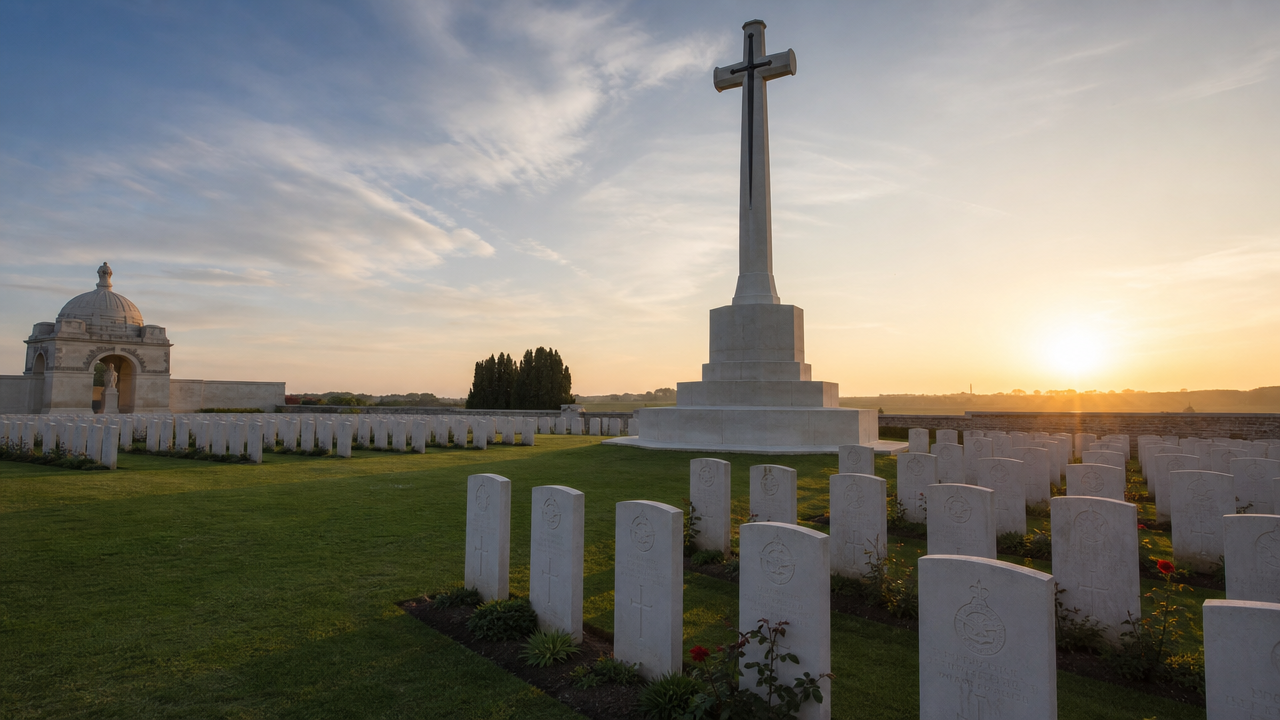
The largest Commonwealth war cemetery in the world, featuring a cross of sacrifice.
Walk to the rear wall for a view across the fields.
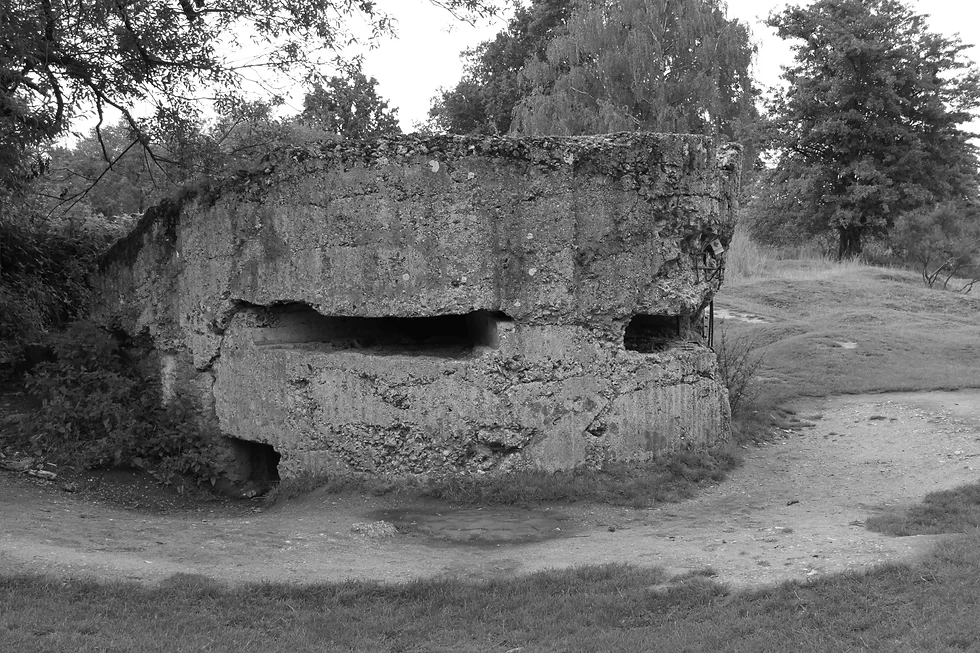
A strategic high point that retains traces of mine craters and bunkers.
Follow the marked trail to identify preserved concrete pillboxes.
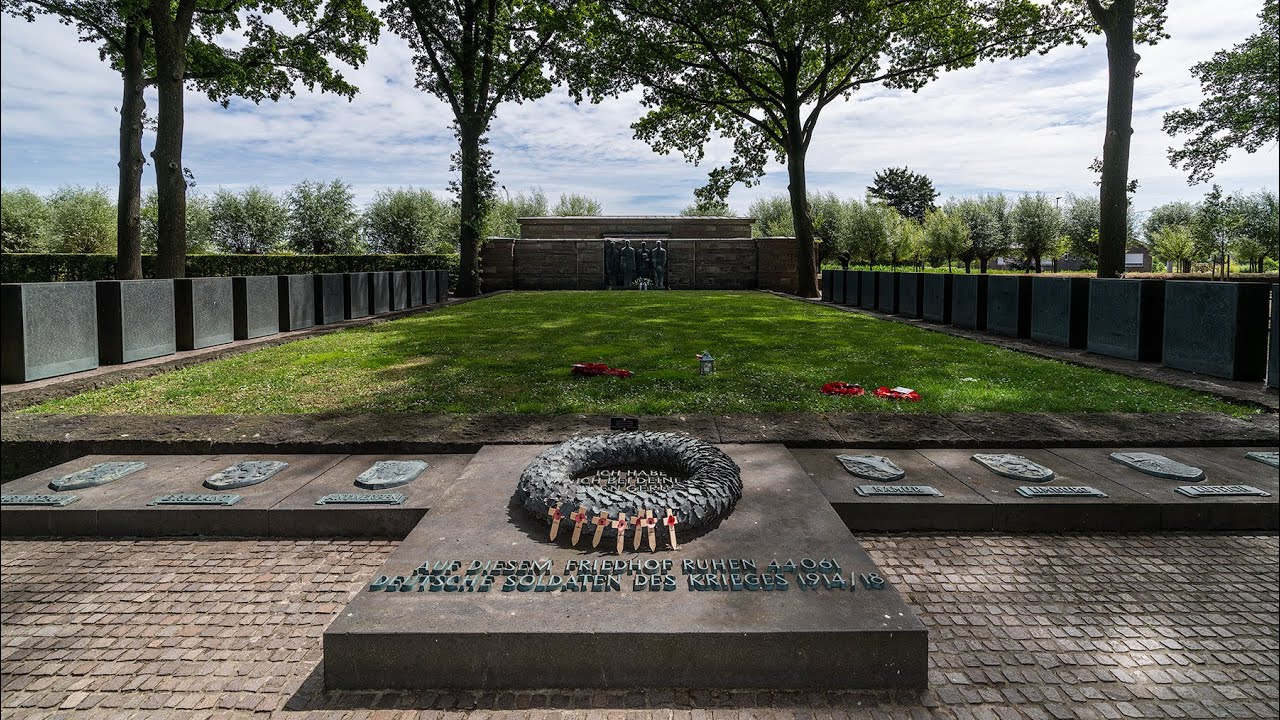
A burial site for over 44,000 German soldiers characterized by its somber atmosphere.
Note the contrast in memorial style compared to Commonwealth sites.
The Ypres Salient memorials and cemeteries are consecrated ground where over half a million soldiers fell. Conduct here reflects on the memory of the dead and the experience of fellow visitors.
Everything you need to know about ypres self guided battlefield tours
Yes, navigating the region is straightforward with a map or digital guide, as many memorial sites are well-signposted. Planning your route in advance helps you connect various craters and trench remains efficiently.
Public battlefield sites are free to access, meaning you pay nothing for entry to these historic landmarks. This makes ypres self guided battlefield tours an accessible way to explore the Great War history at your own pace.
The best arrival window is 09:00–17:00 to ensure optimal daylight for viewing monuments and terrain features. This timeframe allows you to comfortably visit cemeteries and preserved bunkers in the Ypres Salient.
While sites are technically open daily from 00:00 to 23:59, we strongly recommend visiting during daylight hours for safety and visibility. Accessing memorial terrain at night is not advised due to limited lighting and uneven ground.
These tours are excellent for families, offering a flexible pace that allows children to explore the open spaces of the Flanders Fields. You can tailor the duration to suit younger visitors without the pressure of a fixed group schedule.
A common error is underestimating the size of the Salient, which leads to rushing between significant Commonwealth War Graves and memorial sites. Allowing enough time ensures a deeper understanding of the profound impact this historic area holds.