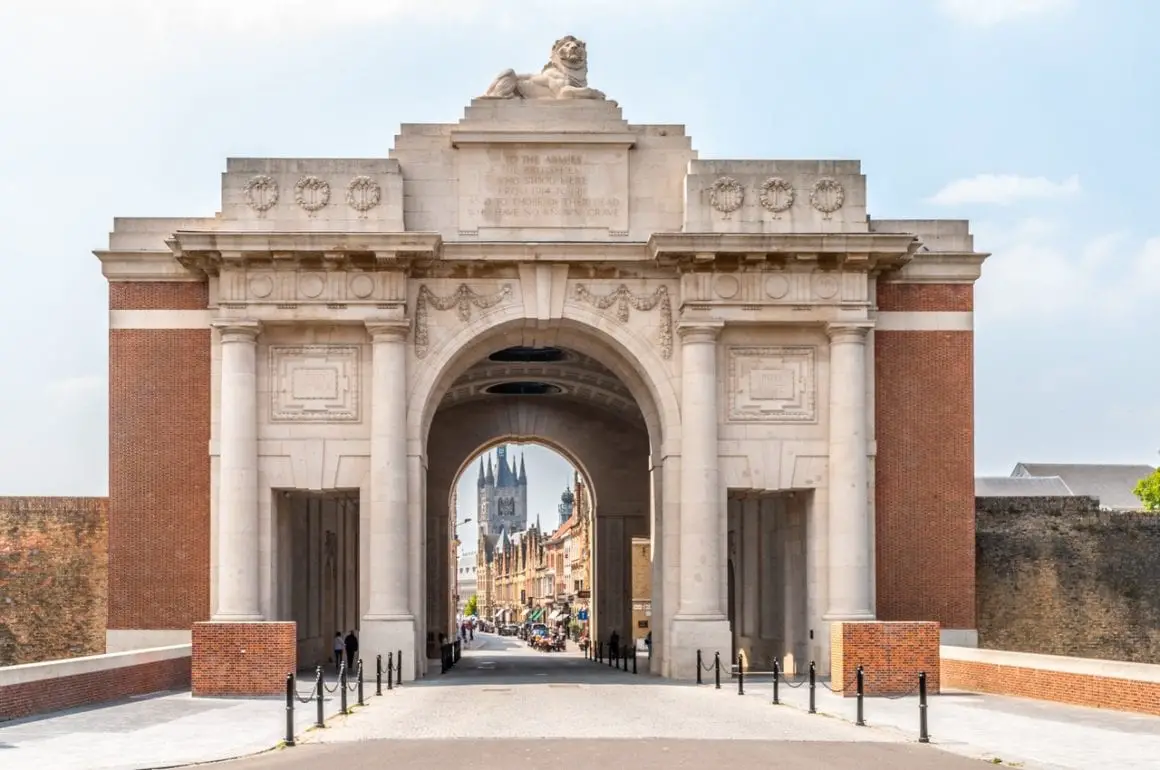
Menin Gate Memorial
10 min walk
This site is located at the eastern exit of the town and complements the museum visit by serving as the focal point for the nightly Last Post ceremony.

Ypres sits at the heart of the Western Front's most contested ground, where four years of trench warfare shaped the 20th century. Today the reconstructed medieval city serves as the living memorial to that conflict, preserving battlefields, cemeteries, and testimony that remain unmatched in their emotional weight. This guide answers whether the journey to Ypres justifies the time and explains what makes the experience distinct.
Quick answer
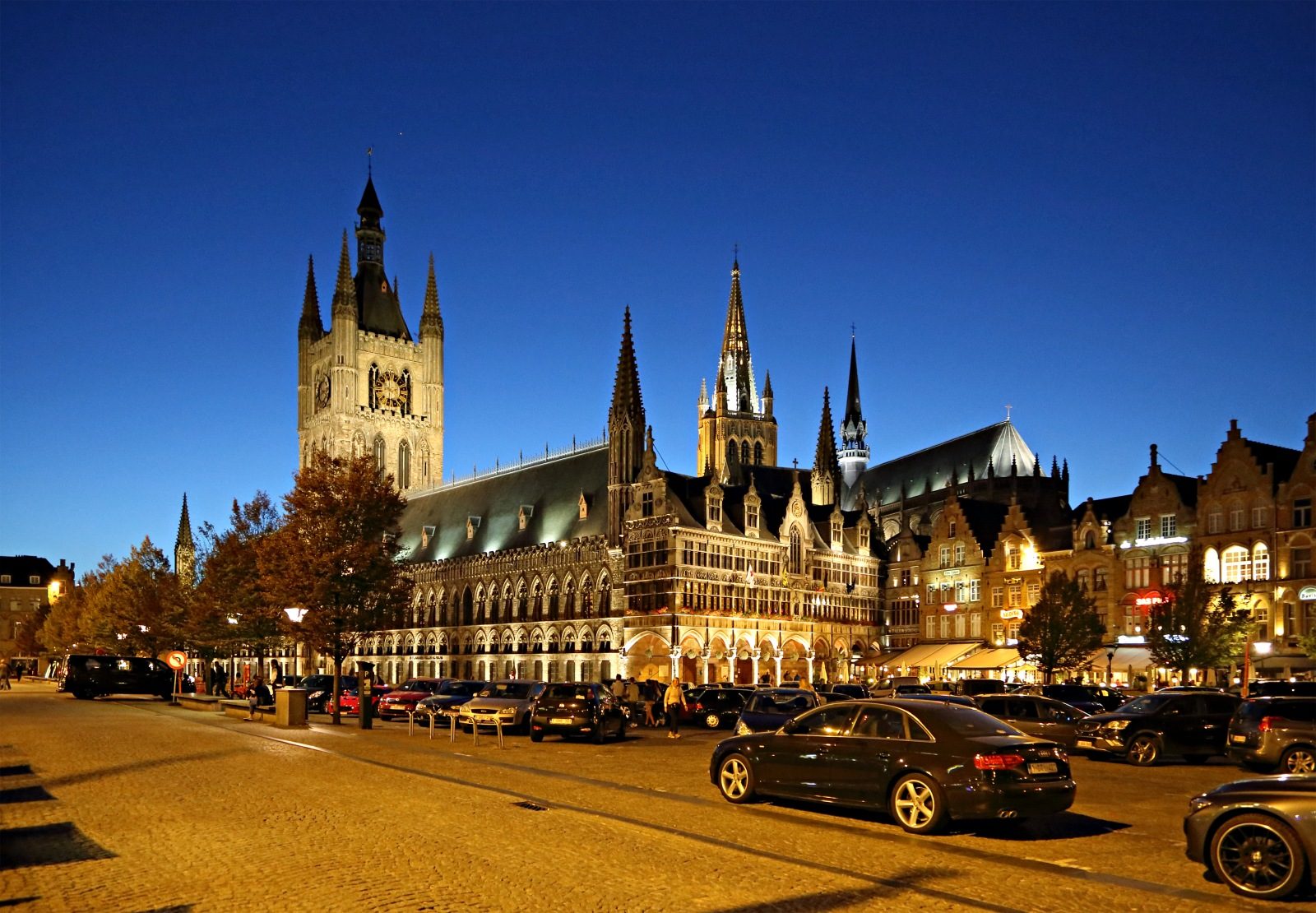
Yes, Ypres is worth visiting if you seek meaningful WWI history rather than conventional sightseeing. The In Flanders Fields Museum (10 EUR, open daily 10:00–17:30) offers one of Europe's most affecting war exhibitions, while the nightly Last Post ceremony at Menin Gate and the surrounding Salient battlefields deliver an experience no other European city replicates. The reconstructed Cloth Hall and compact historic center add architectural substance to the pilgrimage.
More than 850,000 soldiers from 50 nations were killed, wounded, or reported missing within a ten-kilometer radius of Ypres between 1914 and 1918. That single fact explains why this small Flemish city draws visitors who would never describe themselves as battlefield tourists. The Ypres Salient—the bulge in Allied lines that held for four years despite constant German bombardment—remains the most documented sector of the Western Front, and walking its preserved trenches, bunkers, and crater fields makes abstract history immediate. The In Flanders Fields Museum at Grote Markt 34 anchors the visit. Its poppy-bracelet system personalizes the First World War by linking each visitor to the story of someone who fought in the Salient, and the exhibition's sensory design—reconstructed trench sections, audio testimony, and the view from the Cloth Hall belfry over the rebuilt city—roots the conflict in place rather than presenting it as distant tragedy. The museum's approach to interpreting industrial-scale violence without glorifying it has influenced memorial design worldwide. Beyond the museum, Ypres rewards visitors who venture into the surrounding countryside. Tyne Cot Cemetery, Hill 60, Langemark German Cemetery, and the preserved trenches at Sanctuary Wood lie within a short drive, each site distinct in tone and testimony. The nightly Last Post ceremony under the Menin Gate—sounded every evening since 1928 except during the German occupation—offers a moment of reflection that feels earned rather than performed. The ritual's constancy, witnessed by thousands annually, anchors the city's identity as custodian rather than attraction. Visiting Ypres requires recognizing what the city is not. It will not entertain in the way Bruges or Ghent do, and its reconstructed medieval architecture—faithful but new—lacks the patina those cities wear. What it offers instead is the chance to stand in the landscape where the modern world's first industrial war was fought, to read the names of the missing carved into monument stone, and to understand the scale of loss that no single statistic conveys. For visitors who value historical depth over spectacle, few European destinations justify the journey more completely.
“Walking the preserved trenches and crater fields of the Ypres Salient makes abstract history immediate in a way no other Western Front site replicates.”
The most effective way to experience Ypres is arriving within the 10:00–16:30 window, which balances museum access with sufficient time for outdoor exploration. Visiting during shoulder seasons often provides more comfortable conditions for walking the surrounding battlefield sites.
Mild (12°C–18°C). Ideal for walking tours.
Spring offers moderate temperatures and blooming landscapes, making outdoor exploration comfortable.
Warm (15°C–23°C). Frequent peak visitor numbers.
Summer provides the longest daylight hours for sightseeing, though popular sites experience heavier traffic.
Cool (10°C–16°C). Variable conditions.
Autumn brings calmer crowds and temperate weather suitable for extensive battlefield visits.
—
Arriving at 10:00 on weekdays ensures a quieter start, helping you avoid peak afternoon congestion.
Verdict: For the most stable conditions and manageable crowds, plan your visit for Tuesday to Thursday during the months of April or October, ensuring you arrive between 10:00 and 16:30.
The In Flanders Fields Museum operates on a consistent daily schedule throughout the week.
Ypres is located in the West Flanders province of Belgium and is accessible via the national rail network or regional road connections. The city center, specifically the Grote Markt, serves as the primary hub for visitors.
NMBS/SNCB line to Ieper station
A19 motorway via Kortrijk
De Lijn regional routes to Ieper Markt
From Ieper railway station to Grote Markt 34
If arriving by train, the walk from Ieper station to the Grote Markt takes approximately 15 minutes through the city center. For drivers, public parking facilities are available on the periphery of the historic core to avoid congestion near the central square.
Extending your visit beyond the city center provides a broader perspective on the First World War landscape. These locations are situated within a short drive or cycle from Ypres, allowing for a comprehensive exploration of the surrounding battlefield sites.
10 min walk
This site is located at the eastern exit of the town and complements the museum visit by serving as the focal point for the nightly Last Post ceremony.
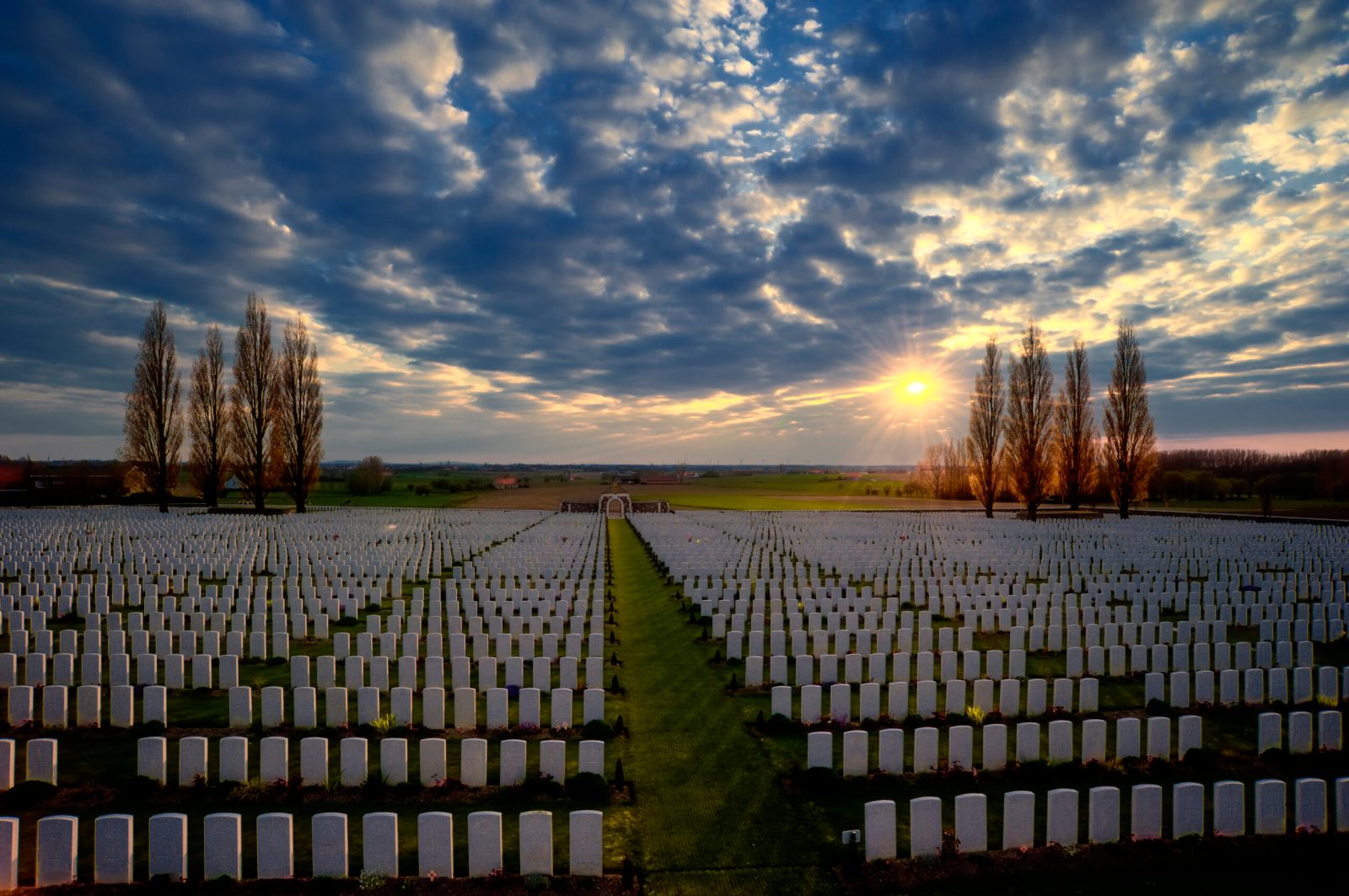
15 min drive
As the largest Commonwealth war cemetery in the world, it offers a stark contrast to the city museum by visualizing the scale of the conflict in the landscape.
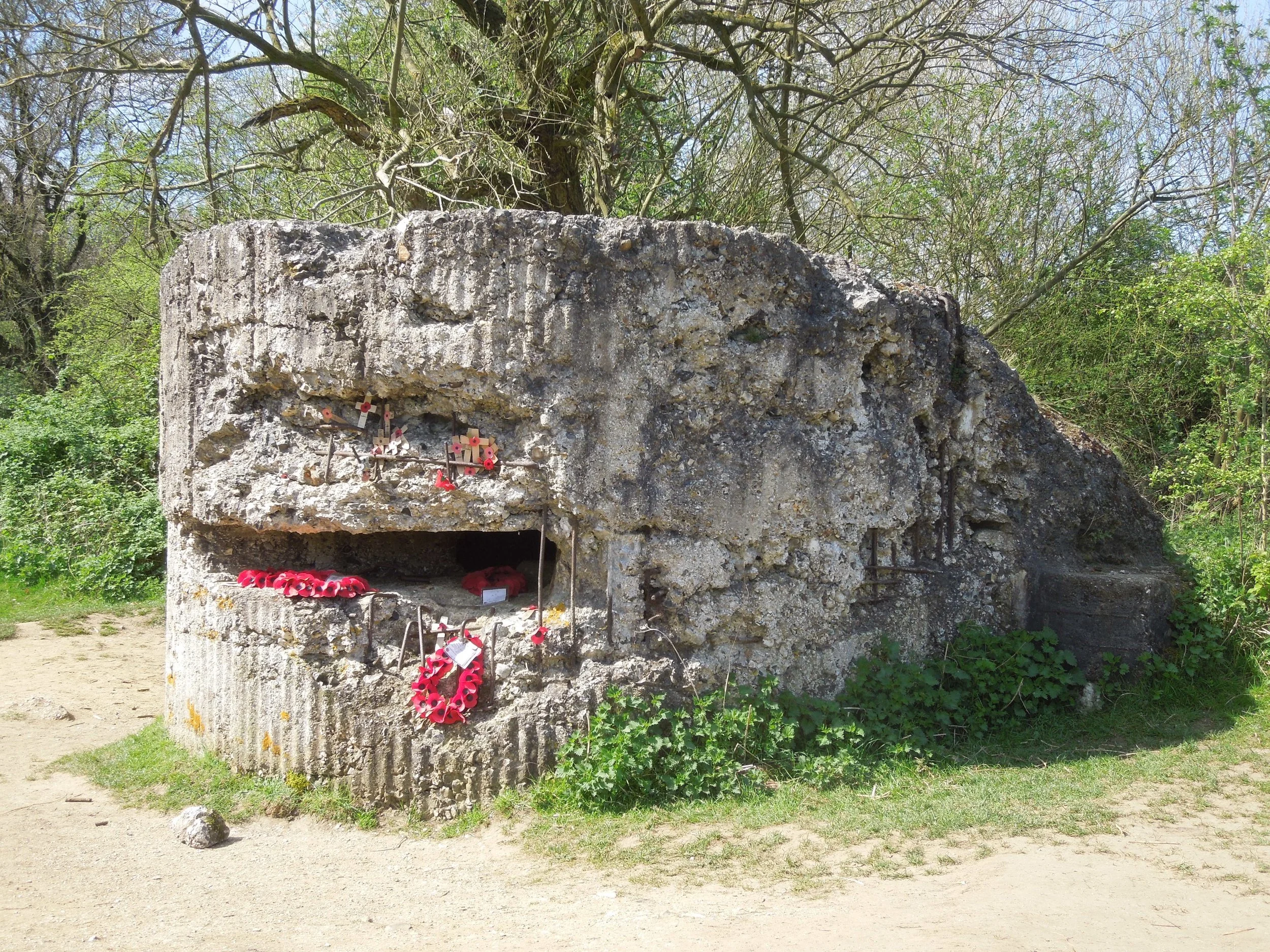
10 min drive
This preserved battlefield site features original craters and bunkers, providing a physical connection to the subterranean warfare experienced in the Ypres Salient.
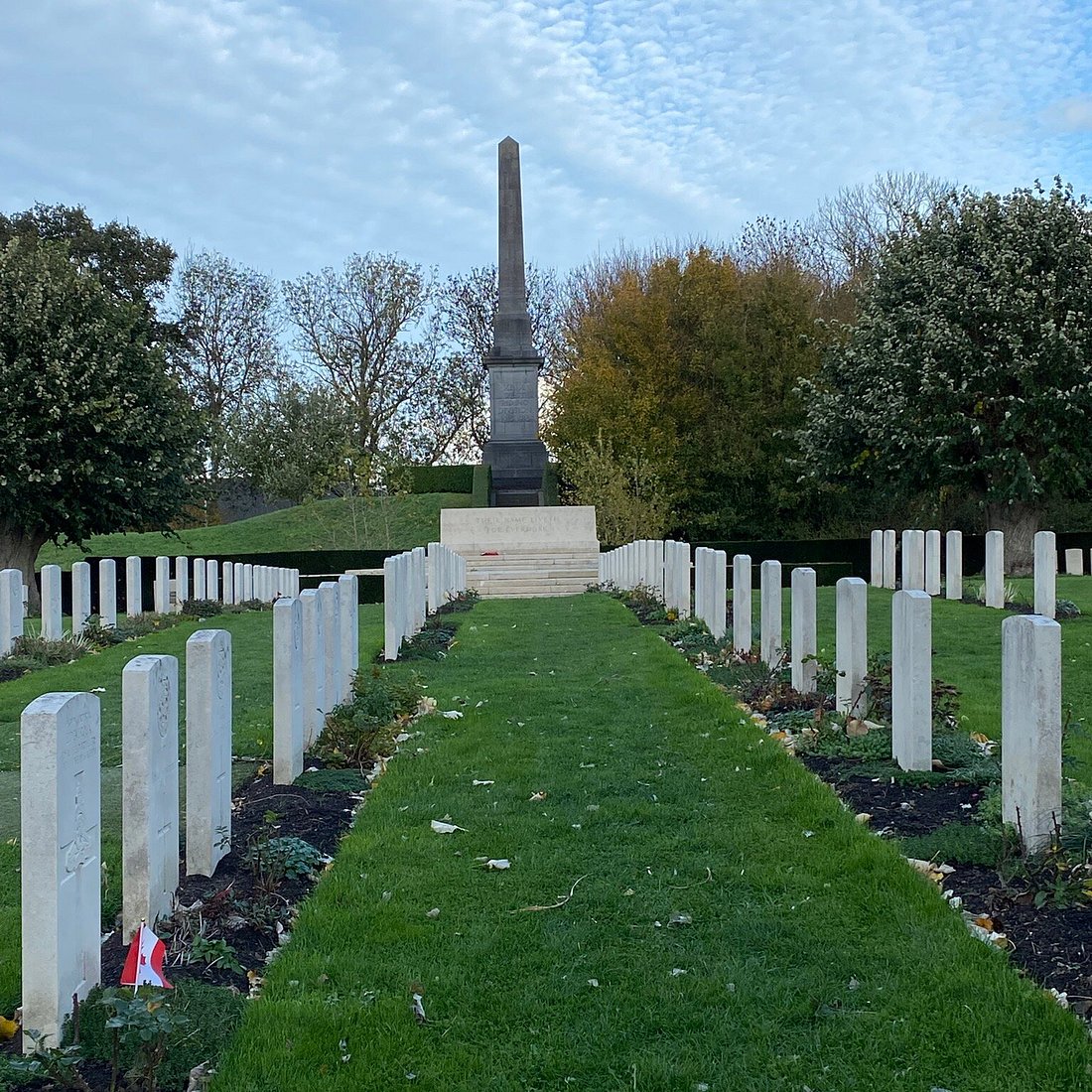
5 min drive
This site is historically significant for its proximity to an advanced dressing station and its connection to the poem In Flanders Fields.
A few practical steps will help you make the most of your visit to Ypres and the surrounding battlefield sites.
Everything you need to know about is ypres worth visiting
Ypres remains a significant destination for those interested in World War I history and the Western Front. Travelers often find that whether is ypres worth visiting depends on one's personal interest in memorial sites and trench warfare archives.
Standard adult admission to the In Flanders Fields Museum is 10 EUR. This fee provides access to the primary exhibitions located at Grote Markt 34.
For those questioning is ypres worth visiting on a tight schedule, the city center is compact and walkable. Most visitors find that a few hours are sufficient to experience the core atmosphere and historical exhibits.
The best arrival window is 10:00–16:30 to ensure a smoother experience. Planning your day within this frame helps avoid crowds and allows enough time before final entry one hour before closing.
Educational opportunities regarding the Great War make it a thoughtful trip for families, provided the material is appropriate for the age of the children. Many parents determine is ypres worth visiting based on the ability to engage with history in a respectful environment.
To organize your trip to Ieper, start by checking the official site for the most current information. Coordinating your itinerary around public transport or organized battlefield tours ensures you cover the essential monuments efficiently.