9 hr
Great War Flanders Fields Day Trip from Bruges
Full-day journey through WWI history in West Flanders with battlefields, memorials, and lunch
Reserve
Hand-picked by our editors — only the best 5 battlefield experiences from 24 reviewed.
Verified partners for every tour, free cancellation where available, and instant confirmation on every booking.
9 hr
Full-day journey through WWI history in West Flanders with battlefields, memorials, and lunch
Reserve
3 hr 30 min
Trace the front lines of WWI across six historic sites including Tyne Cot and Passchendaele
Reserve
13 hr
Journey through Belgium's Great War history with expert commentary, museum access, and the moving Last Post ceremony
ReservePrices from verified partners. Availability updates in real time at checkout. Free cancellation policies apply where shown.
The landmarks, rooms, and views travelers on this tour remember — all visible on a single visit.
A historic 13th-century building that serves as the centerpiece of Ypres and houses the main museum. It was meticulously reconstructed after being destroyed during the war.
A solemn memorial where the Last Post ceremony has been performed every evening since 1928. It bears the names of thousands of missing soldiers.
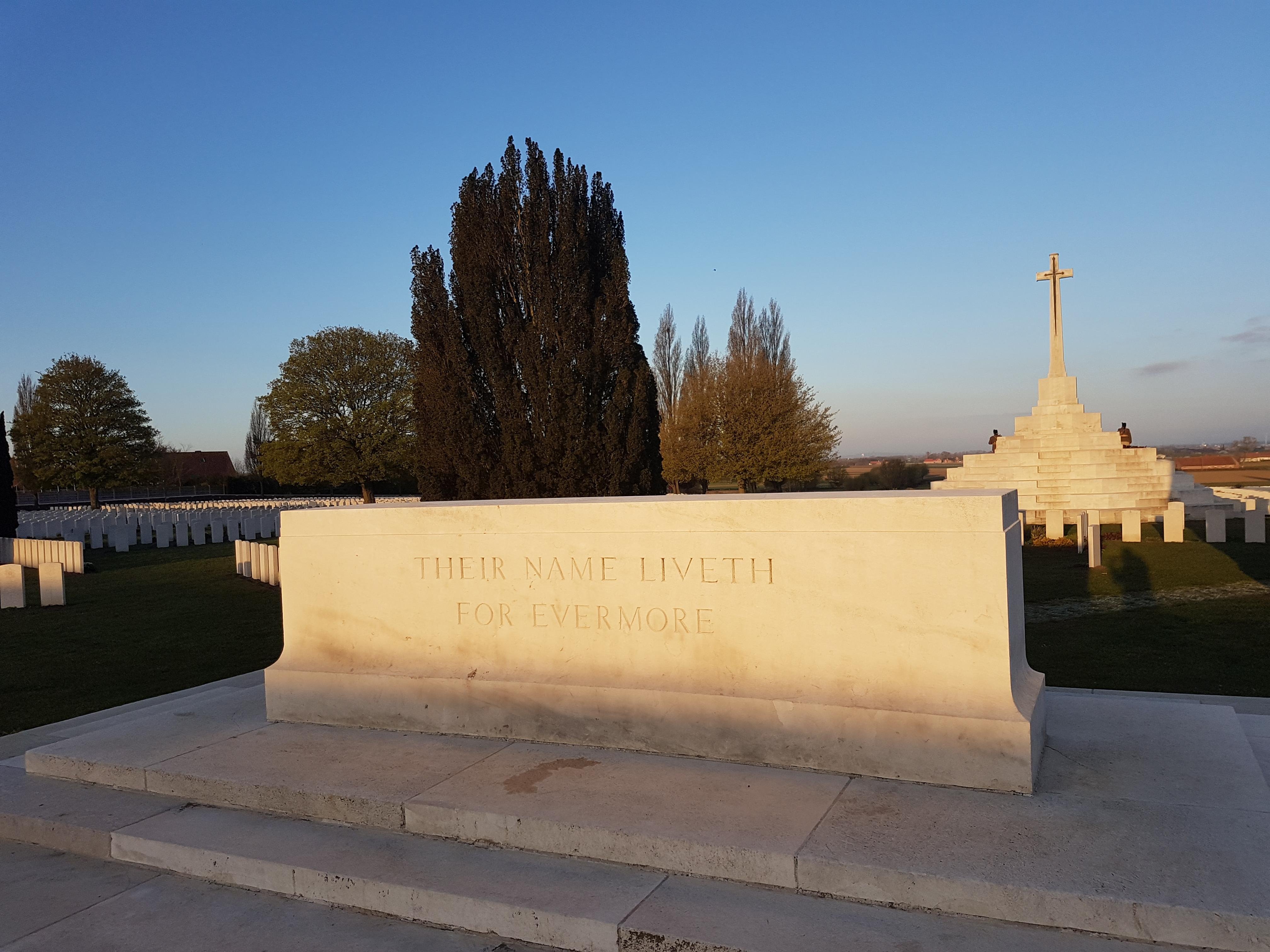
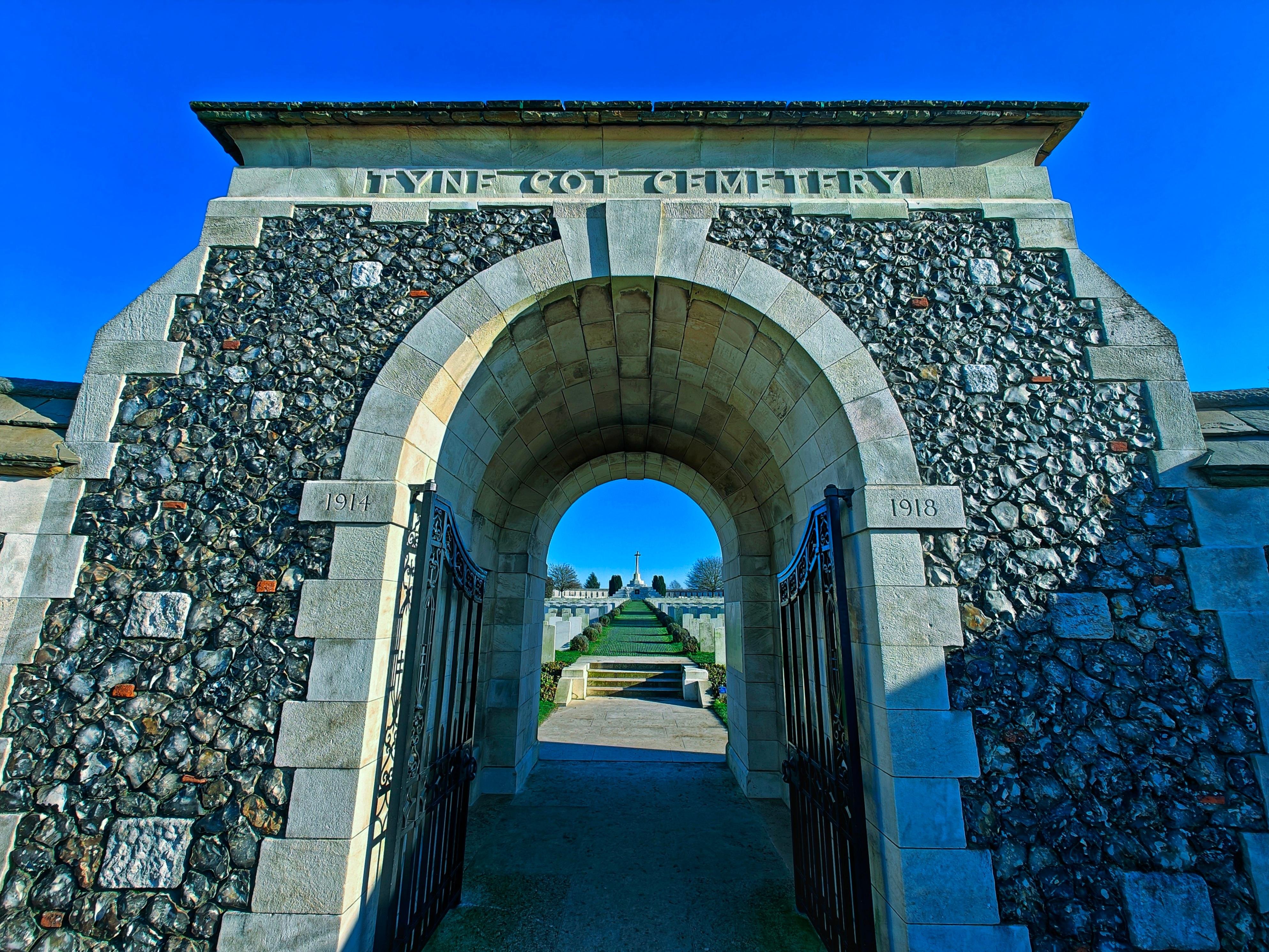
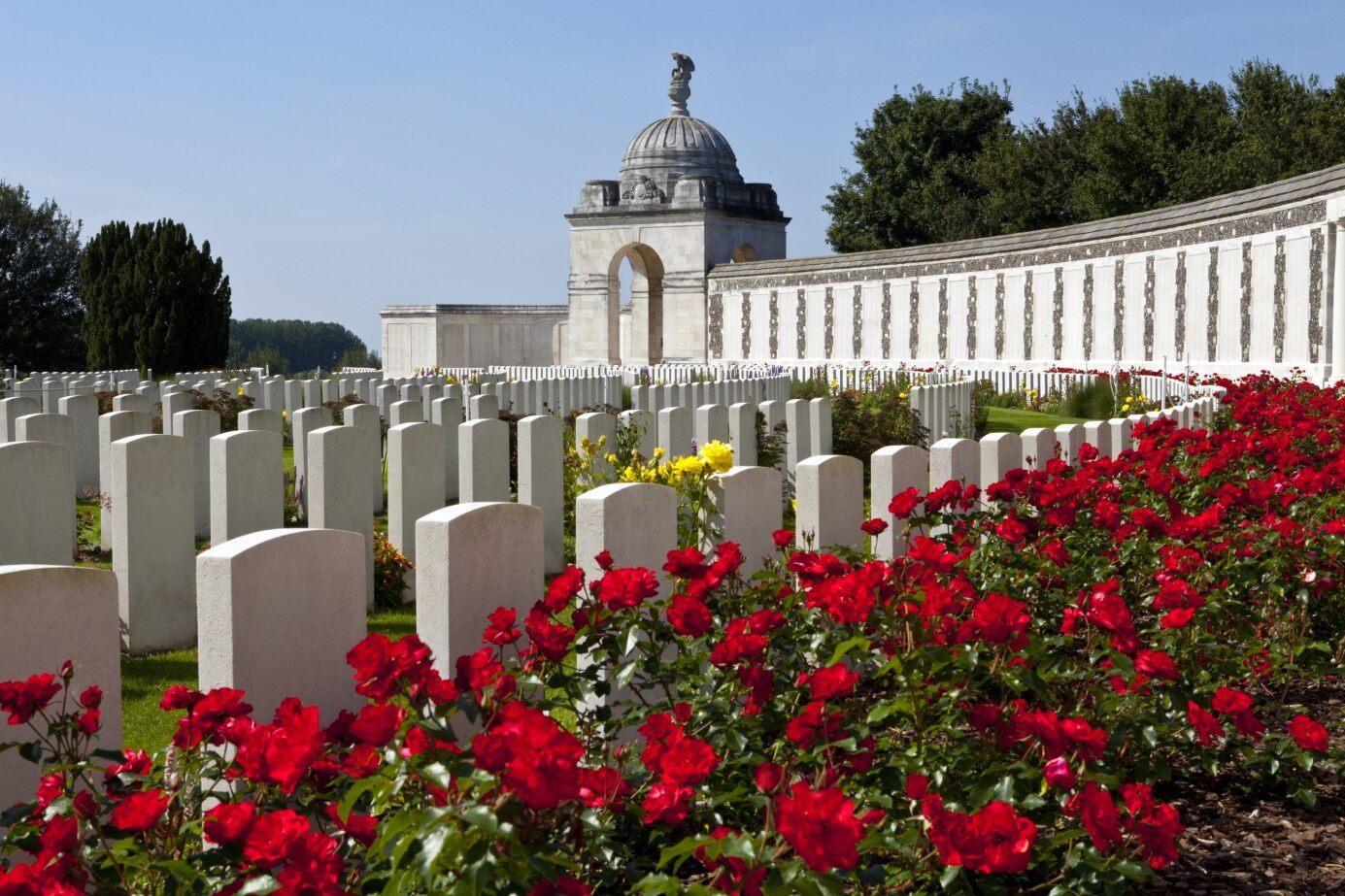
The largest Commonwealth war cemetery in the world, featuring a peaceful, elevated position overlooking the Passchendaele battlefield. It contains over 11,000 graves.
Famous as the site where John McCrae wrote the poem In Flanders Fields. It includes a preserved Advanced Dressing Station.
A strategic site featuring original, untouched terrain including deep mine craters from the 1917 Battle of the Mines.
An organized ypres flanders battlefield tour provides curated storytelling, while independent car travel offers complete freedom to dwell at specific trenches and memorial sites.
| Feature | Top pick Guided Tour | Independent Car |
|---|---|---|
Narrative depth |
Expert storytelling | Self-guided research |
Navigation ease |
Professional driver | GPS required |
Historical insight |
Contextual commentary | Depends on personal effort |
Flexibility |
Fixed departure times | High freedom |
Group social dynamics |
Shared group experience | Private environment |
Cost |
Includes booking fees | Fuel and parking costs |
| See tickets → |
Verdict: Choose a guided ypres flanders battlefield tour tours for deep historical immersion, or opt for independent exploration if you prefer to pace your own ypres flanders battlefield tour tickets and route.
Choose your ticket, select your date, and reserve in under two minutes. Secure checkout handled by our verified partner.
Instant confirmation by email, with a mobile voucher you can save offline. No printing, no queuing at a collection desk.
Arrive at the entrance, show your voucher on your phone, and walk in. Most tickets include priority or skip-the-line access.
Practical details for your visit straight from our verified partners — hours, access, rules, and how to get there.
Grote Markt, 8900 Ieper
Main square for Ypres flanders battlefield tour departures
Regional trains arrive at Ypres station, a short walk from the central Cloth Hall.
Parking is available at Grote Markt; ensure you arrive within the 10:00–16:00 window to find spaces.
The ypres flanders battlefield tour involves extensive walking across uneven historical terrain and outdoor memorials. Please wear comfortable, supportive footwear suitable for gravel paths and grassy areas, and dress in layers for changing weather conditions.
For a guided ypres flanders battlefield tour, it is advised to carry only essential personal items in a small daypack. Larger bags may not be permitted in certain historical buildings or museums visited during the route.
Photography is permitted in outdoor areas of the ypres flanders battlefield tour sites, including cemeteries and memorials. Please be respectful of these somber locations and avoid using flash inside any enclosed museum displays.
Many outdoor locations on the ypres flanders battlefield tour feature natural, unpaved surfaces that may present challenges for visitors with limited mobility. Accessible parking is available near the Cloth Hall, and local operators can provide guidance on routes optimized for wheelchairs.
The ypres flanders battlefield tour is educational, though some content can be somber. Many family-friendly museums include interactive exhibits, such as the poppy bracelet system, designed to engage younger visitors with history.
While there are cafes in Ypres center, facilities on the remote sections of the ypres flanders battlefield tour are limited. It is recommended to carry a refillable water bottle and snacks, especially during full-day battlefield excursions.
Grote Markt, 8900 Ieper
Main square for Ypres flanders battlefield tour departures
Get directionsBest time to go, insider tips, nearby landmarks, and the cancellation fine print — flip through to skim what matters to you.
How crowds, weather, and events shift across the year.
Mild temperatures and blooming landscapes make this an ideal time for exploring historical sites.
Longer daylight hours allow for extended outdoor exploration and attending the evening Last Post ceremony.
Cooler weather provides a reflective atmosphere for visiting the extensive cemeteries in the region.
While some sites are quieter, prepare for cold and damp conditions which mirror historical battlefield realities.
Small details that turn a good visit into a great one.
Plan to arrive at the Menin Gate at least 30-45 minutes before 20:00 to secure a good viewing spot for this historic daily tribute.
Utilize the interactive poppy bracelet provided at the museum entrance to unlock personal stories during your tour.
Combine your ypres flanders battlefield tour with visits to local museums to deepen your understanding of the landscape.
Always check the official site for special commemoration events that may affect site access during your ypres flanders battlefield tour.
Prioritize waterproof walking shoes as the terrain in the Ypres Salient can remain muddy even during dry seasons.
Non-bookable sights within a short walk — free to visit, easy to pair.
Majestic 13th-century building housing the museum.
Iconic memorial playing the Last Post daily at 20:00.
Focuses on 11 centuries of local history.
Serene place of worship and historical reflection.
Flexible, no hidden fees.
Full refunds are typically available for cancellations made at least 24 hours in advance. Please refer to your specific booking confirmation for details regarding the 0 EUR entrance fee policy for battlefield sites.
Hand-picked options within walking distance — pick a district for vibe, or a specific hotel for convenience.
Wide selection of historic hotels near the market square.
Convenient access to the nightly memorial ceremony.
Quiet accommodation options near battlefield sites.
More than 850,000 soldiers from forty-four nations fell within the thirty-kilometre arc of the Ypres Salient between 1914 and 1918, leaving a landscape so cratered and contested that maps drawn in 1919 bore almost no relation to those printed four years earlier. The towns of Passchendaele, Langemarck, and Messines were erased and rebuilt atop their own rubble, and the clay ridges that once anchored German machine-gun positions now shelter Commonwealth war cemeteries in almost unbroken succession. Ypres itself—the medieval cloth capital whose Cloth Hall stood as one of Europe's tallest secular buildings—was reduced to a single standing wall by November 1914, yet the Belgian army held the line through four successive offensives, and the city was reconstructed stone by stone to its thirteenth-century plan. Today the Ypres Salient remains the most visited theatre of the First World War, not only for its density of preserved trenches, bunkers, and craters but for the ritual continuity of the Last Post, sounded beneath the Menin Gate every evening since 1928 save the years of German occupation. The In Flanders Fields Museum, reopened in its current form in 2012 within the reconstructed Cloth Hall, anchors historical understanding through digitised personnel records, trench maps, and immersive audiovisual galleries that place individual testimony alongside strategic analysis. Guided Ypres Flanders battlefield tour experiences extend beyond the museum into the preserved communication trenches at Sanctuary Wood, the German cemetery at Langemarck where 44,000 men lie in a mass grave beneath oak trees, and Hill 62 where Canadian forces repelled a chlorine-gas attack in April 1915. The landscape itself functions as evidence. Lochnagar Crater near La Boisselle—ninety metres wide and thirty deep—marks the detonation of 27,000 kilograms of ammonal at 7:28 a.m. on 1 July 1916, the opening minute of the Somme offensive. Tyne Cot Cemetery, the largest Commonwealth burial ground in the world, holds 11,961 graves and a memorial wall listing 34,957 missing men whose bodies were never recovered. These sites are not abstractions; they are surveyed, named, and mapped with forensic precision, and the Flanders Fields WWI tour infrastructure surrounding them—half-day loops from Bruges, full-day itineraries from Brussels, private historian-led circuits—operates year-round to ensure that the physical record remains legible. The Western Front did not end; it was codified in stone, grass, and guided interpretation, and Ypres remains its geographic and ceremonial centre.

"The Ypres Salient remains the most visited theatre of the First World War, not only for its density of preserved trenches but for the ritual continuity of the Last Post, sounded beneath the Menin Gate every evening since 1928."
A step-by-step walkthrough of the visit — what you'll see, how long each stage takes, and the details that matter.
You board a climate-controlled coach in Bruges or Brussels, depending on which departure you have secured, and within ninety minutes you are standing at the edge of Hill 60, where the horizon flattens into beet fields and the ground still rises in unnatural berms. Your guide—often a military historian or retired serviceman—unlocks a preserved concrete bunker and gestures toward the ventilation shaft that once funnelled poison gas into the chamber below. You descend a wooden staircase into Sanctuary Wood's communication trench, the sandbag revetments replaced but the alignment authentic, and you notice how narrow the corridor is, how impossible it would be to pass a stretcher. At Tyne Cot you walk between white Portland stone markers, each incised with a name, rank, and regimental badge, and you count the rows—twelve deep, extending across four hectares. The guide reads aloud from a soldier's letter, dated three days before his death at Passchendaele, and the specificity—his sister's name, the weather, the taste of the tea—renders the scale legible. You return to Ypres by late afternoon, and if your Ypres Flanders battlefield tour includes the evening option, you stand beneath the Menin Gate at eight o'clock as traffic halts, buglers step forward, and the Last Post sounds for the 34,253rd consecutive day.
The best arrival window is between 10:00–16:00 to avoid mid-day crowds and allow ample time to visit multiple outdoor battlefield locations.
Entry to the Ypres Salient battlefield sites is 0 EUR, though individual museums vary in cost.
There is no formal dress code, but we recommend wearing comfortable walking shoes and weather-appropriate clothing for outdoor sites.
You should carry only essential items, as large bags may not be permitted in all museums.
Yes, the ypres flanders battlefield tour is educational and family-friendly, with many interactive museum exhibits available.
A standard tour usually lasts between 3.5 to 7 hours depending on your chosen itinerary.
The tour starts at Grote Markt, 8900 Ieper, easily accessible by public transport or car.
Facilities are limited in remote areas, so we recommend bringing your own water and snacks.
Check your booking confirmation for specific details; most tour providers offer full refunds for cancellations 24 hours in advance.
A standard ypres flanders battlefield tour typically includes sites like the Menin Gate, Tyne Cot Cemetery, and Essex Farm.